


As e-commerce volumes soar, many logistics and parcel companies hope that automation is the answer. But as this second article in our series on disruption explains, things are not so simple.
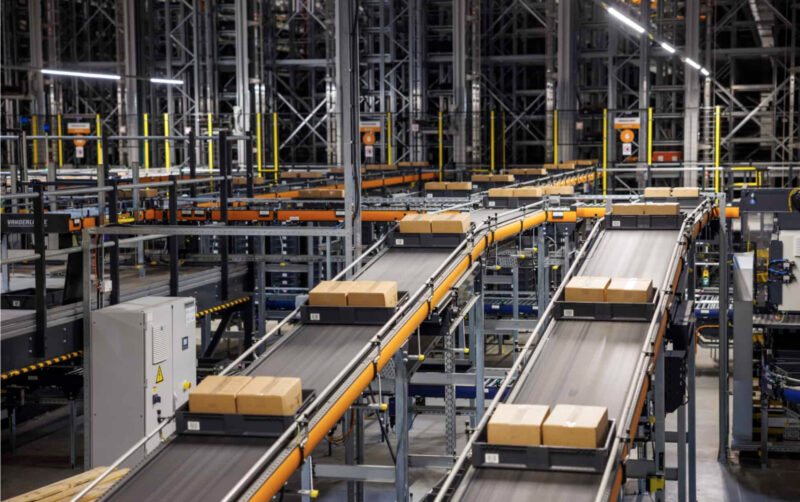
Automation in Logistics: Opportunities and Challenges for the Future
As e-commerce continues to grow at an unprecedented pace, logistics companies are facing increasing pressure to adapt and innovate. Automation has emerged as a promising solution to address the challenges of labor shortages, rising consumer demands, and the need for greater efficiency. However, as highlighted in a recent McKinsey article, the path to automation is not without its hurdles. At OVO Logistics, we believe in staying ahead of industry trends and preparing for the future. Here’s a closer look at the opportunities and challenges of automation in logistics.
The Case for Automation in Logistics
Automation offers significant benefits for logistics companies, especially in the face of three major trends:
- Labor Shortages: With unemployment rates at historic lows and increasing wages, finding skilled workers for large e-commerce facilities has become a challenge. Automation can help alleviate this issue by taking over repetitive tasks, allowing companies to optimize their workforce and reduce dependency on seasonal labor.
- E-commerce Boom: The rise of online shopping has transformed the logistics industry. E-commerce sales have grown by 15% annually in the U.S. over the past decade, creating immense opportunities for logistics companies. Automation can help meet the demand for faster delivery and higher order volumes, while also addressing the strain on traditional B2B networks.
- Technological Advancements: Cutting-edge technologies, such as robotic pickers, autonomous guided vehicles (AGVs), and advanced warehouse-management systems, are revolutionizing logistics operations. These innovations promise to improve efficiency, reduce costs, and enable logistics companies to meet the growing demands of e-commerce.
Challenges in Adopting Automation
Despite the clear benefits, many logistics companies are hesitant to fully embrace automation due to several challenges:
- Uncertain Technology Landscape: With over 50 emerging technologies in logistics, companies face the risk of investing in equipment that may become obsolete. Choosing the right technology is critical to ensuring a strong return on investment.
- Purchasing Challenges: High demand for automation equipment has led to supply shortages and increased costs. Many manufacturers are operating at full capacity, making it difficult for logistics companies to procure the necessary tools.
- Omnichannel Complexity: The shift to omnichannel distribution networks adds layers of complexity to logistics operations. Companies must navigate questions about fulfillment center locations, inventory management, and the type of automation required to meet diverse customer needs.
- Short-Term Contracts: Logistics contracts typically last around three years, which is often insufficient to recoup the costs of automation investments. This creates financial risks for companies, especially when customers frequently switch providers.
- Competitive Dynamics: E-commerce giants like Amazon and JD.com are building their own logistics capabilities, which can undercut third-party logistics providers. This dynamic forces logistics companies to carefully evaluate their investments in automation.
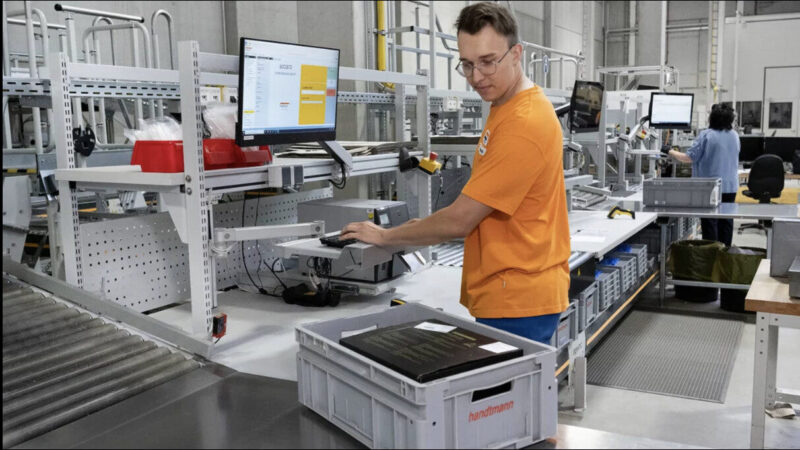
Strategies for Success in the Age of Automation
At OVO Logistics, we understand that there is no one-size-fits-all approach to automation. However, we believe that logistics companies can thrive by adopting the following strategies:
- Focus on Efficiency: Automation can significantly improve efficiency in high-velocity tasks like picking, packing, and sorting. By reducing dependency on labor, increasing throughput, and optimizing space utilization, logistics companies can enhance their operations and meet growing demand.
- Specialization and Expertise: With the proliferation of specialized equipment, logistics companies must focus on understanding and deploying the right technologies for their customers. By partnering with automation providers and offering tailored solutions, we can become true partners to our clients.
- Smart Contracting and Pricing: To mitigate risks associated with short-term contracts, logistics companies should explore innovative pricing models and contract terms. This includes offering incentives for longer contracts and sharing the risks and rewards of automation investments with customers.
- Strategic Network Design: Building a supply chain that supports omnichannel delivery requires careful planning. By adopting strategies such as hub-and-spoke networks, logistics clusters, and omnichannel infrastructure, companies can optimize their operations and meet the demands of modern consumers.
The Future of Logistics
The logistics industry is on the brink of a major transformation, driven by automation and the rise of e-commerce. At OVO Logistics, we are committed to staying ahead of the curve by investing in cutting-edge technologies and developing innovative solutions for our customers. By embracing automation and adapting to the changing landscape, we can continue to deliver superior services and drive efficiency for our clients.
As we navigate this exciting yet uncertain future, we invite you to join us on this journey. Together, we can shape the future of logistics and create a more efficient, sustainable, and customer-centric industry.
Stay tuned for more insights and updates from OVO Logistics!